

Mortar joints are easy to overlook, but they play a vital role in protecting your home’s brickwork. Acting as the binding material between bricks, mortar helps maintain structural stability, keeps moisture out, and allows masonry to withstand natural expansion and contraction over time.
When mortar begins to crack, crumble, or deteriorate, your home becomes vulnerable to water intrusion, brick damage, and costly repairs. For homeowners throughout the Dallas-Fort Worth area, identifying these warning signs early can help preserve curb appeal, protect property value, and prevent more extensive masonry restoration work down the road.
In North Texas, repeated heat, heavy rain, and seasonal temperature swings can accelerate mortar deterioration, especially on older brick homes.
In this guide, we’ll discuss the most common signs that your mortar joints need professional restoration and explain why timely repairs are essential for maintaining the beauty and longevity of your home.
What Are Mortar Joints and Why Are They Important?
Mortar joints are the spaces between bricks that are filled with mortar during construction. While bricks provide much of the visible structure, mortar serves several critical functions:
- Holds masonry units together
- Helps distribute structural loads
- Prevents moisture intrusion
- Accommodates minor movement caused by temperature changes
- Protects bricks from excessive wear and damage
Because mortar is intentionally softer than brick, it often deteriorates first. This sacrificial design helps preserve the surrounding masonry. However, when mortar deterioration is ignored, the damage can eventually spread to the bricks themselves.
1. Cracks Appearing in Mortar Joints
One of the earliest and most noticeable signs of mortar failure is cracking.
Hairline cracks may initially seem harmless, but they often indicate that the mortar is beginning to break down. These cracks can appear vertically, horizontally, or in a stair-step pattern following the mortar joints between bricks.
Common causes include:
- Foundation settlement
- Seasonal temperature fluctuations
- Moisture infiltration
- Natural aging of masonry materials
As cracks widen, they create pathways for water to enter the wall system. Over time, this moisture can accelerate deterioration and contribute to more extensive masonry damage.
If you notice cracks that continue to grow or appear across multiple sections of your brickwork, it’s wise to schedule a professional masonry inspection.
2. Crumbling or Missing Mortar
Mortar should remain solid and firmly bonded to the surrounding bricks. If you notice mortar crumbling when touched or sections that have completely fallen out, restoration is likely needed.
Signs of mortar loss include the following:
- Loose mortar fragments near the base of walls
- Gaps between bricks
- Powdery mortar surfaces
- Missing sections of mortar joints
As mortar erodes, it loses its ability to protect the masonry system. Water can penetrate deeper into the wall, while the surrounding bricks become increasingly vulnerable to movement and damage.
For many homeowners, this stage is also when the appearance of the brickwork begins to suffer, creating concerns about curb appeal and overall property value.
3. Recessed Mortar Joints
Over time, weather exposure can gradually wear away mortar, causing it to recede behind the face of the brick.
When mortar joints become noticeably recessed, they create small channels where water can collect. This prolonged moisture exposure can accelerate deterioration and increase the likelihood of future repairs.
Recessed joints often indicate that the mortar has reached the end of its useful lifespan and should be professionally restored.
In many cases, homeowners don’t notice recessed mortar until they compare damaged sections with areas that remain in good condition. A professional inspection can help determine whether restoration is necessary.
4. White Staining or Efflorescence
White, chalky deposits on brick surfaces are known as efflorescence.
Efflorescence occurs when water moves through masonry materials and leaves behind mineral deposits as it evaporates. While the staining itself may not be structurally harmful, it serves as an important warning sign that moisture is actively moving through the wall.
Common causes include:
- Cracked mortar joints
- Water infiltration behind masonry
- Poor drainage around the home
- Excessive moisture exposure
If left unaddressed, the moisture responsible for efflorescence can contribute to mortar deterioration, brick damage, and other masonry-related issues.
When homeowners notice white staining appearing repeatedly after cleaning, it’s often a sign that the underlying moisture source should be investigated.
5. Loose or Shifting Bricks
As mortar deteriorates, it gradually loses its ability to secure bricks in place.
You may notice:
- Bricks that move when touched
- Uneven brick surfaces
- Gaps forming between masonry units
- Visible displacement of brickwork
Loose bricks should never be ignored. What begins as a minor masonry issue can eventually affect larger sections of the structure if repairs are delayed.
Prompt restoration helps stabilize the masonry system and prevents more costly repairs involving brick replacement or rebuilding.
6. Water Stains Around Masonry
Water intrusion is one of the most damaging consequences of failing mortar joints.
Warning signs can include:
- Dark staining on brick surfaces
- Moisture around windows or doors
- Interior water marks near exterior walls
- Persistent damp areas around masonry
When mortar joints fail, water can enter vulnerable areas of the wall system. Over time, this can lead to additional issues such as mold growth, damaged finishes, and deterioration of surrounding building materials.
Addressing mortar problems early helps prevent water from causing more extensive and expensive damage.
7. Brick Damage and Spalling
Spalling occurs when the surface of a brick begins to crack, flake, or break apart.
This damage often develops when deteriorated mortar allows excessive moisture to penetrate the masonry system. As the brick absorbs water and experiences repeated expansion and contraction, the outer surface may begin to fail.
Signs of spalling include:
- Flaking brick surfaces
- Chipped corners
- Cracked brick faces
- Pieces of brick falling away
Once brick damage begins, repairs become significantly more involved than simple mortar restoration. That’s why addressing deteriorating mortar early is one of the most effective ways to protect your investment.
If several of these signs are present, professional tuckpointing or mortar repair may be needed to prevent further masonry damage.
Why Early Mortar Restoration Matters
Many homeowners assume that minor cracks or missing mortar are purely cosmetic issues. In reality, small masonry problems can quickly escalate when moisture is allowed to enter the wall system.
Benefits of early restoration include:
- Preventing water intrusion
- Protecting surrounding brickwork
- Preserving structural integrity
- Maintaining curb appeal
- Avoiding more costly future repairs
- Extending the lifespan of your masonry
For homeowners preparing to sell their property, timely mortar restoration can also improve the appearance of the home and help eliminate concerns that may arise during inspections.
How Professional Mortar Restoration Works
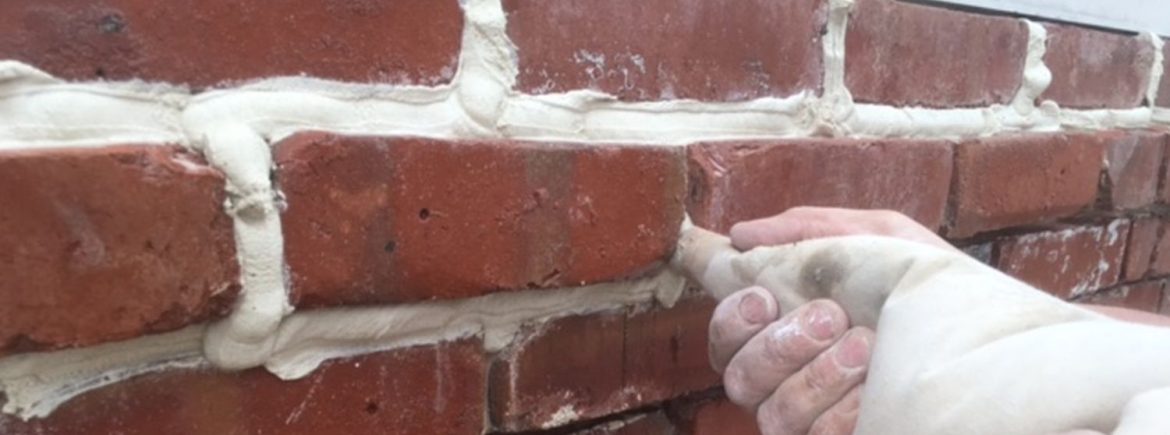
Professional mortar restoration, often called tuckpointing or repointing, involves removing deteriorated mortar and replacing it with new mortar designed to match the existing masonry.
The process typically includes:
- Thorough inspection of the masonry
- Identification of damaged joints
- Careful removal of deteriorated mortar
- Installation of properly matched mortar
- Finishing and shaping joints for a seamless appearance
- Final quality inspection
Proper mortar matching is especially important. Poorly matched repairs can create obvious patches that detract from the appearance of your home.
Experienced masonry specialists understand how to match mortar color, texture, and composition so repairs blend naturally with the surrounding brickwork.
When to Call a Masonry Professional
While minor cosmetic issues may seem manageable, certain warning signs indicate it’s time to seek professional help:
- Widespread cracking
- Missing mortar in multiple areas
- Loose bricks
- Recurring efflorescence
- Water infiltration
- Visible brick damage
- Mortar joints that have significantly recessed
A professional evaluation can determine the extent of the problem and help prevent further deterioration before larger repairs become necessary.
Protect Your Brickwork with Expert Mortar Restoration
Your mortar joints do far more than fill the spaces between bricks; they help protect your home from moisture intrusion, structural movement, and long-term masonry damage. When mortar begins to crack, crumble, or recede, it’s often a warning sign that your brickwork needs professional attention. Addressing these issues early can help prevent costly repairs, preserve your home’s curb appeal, and extend the life of your masonry.
Schedule Your Masonry Inspection Today
If you’ve noticed cracked, missing, or deteriorating mortar around your home, don’t wait for the damage to worsen. The experienced team at Brick Doctor has been helping Dallas-Fort Worth homeowners restore and protect their masonry for more than 40 years. From expert tuckpointing and mortar repair to complete brick restoration, we deliver seamless results designed to blend with your existing brickwork and stand the test of time.
Contact Brick Doctor today for an inspection and discover why homeowners across DFW trust us for unmatched craftsmanship, precise mortar matching, and lasting masonry repairs.

James R. Jennings, President of Brick Doctor, brings 42 years of masonry and construction industry experience to every project. With advanced business degrees and a strong record of service-focused leadership, James has helped Brick Doctor earn trusted recognition from Angie’s List, the Good Contractors List, and the Better Business Bureau.