

Cracked bricks, deteriorating mortar, water stains, and other masonry damage can make a well-maintained property appear neglected. More importantly, visible damage may allow moisture to enter the wall system or indicate movement that requires professional attention.
Repairing brickwork involves more than covering a crack with fresh mortar. Masonry professionals must identify the cause of the damage, evaluate the original materials, and select compatible brick and mortar that restore durability while blending with the surrounding color, joint profile, and architectural character.
The professional repair process typically includes inspecting the damage, identifying its source, developing a repair plan, matching materials, removing weakened masonry, completing the repair, and allowing the new mortar to cure properly. Here is what property owners can expect during each stage.
Inspecting the Damaged Brickwork
Every professional masonry repair should begin with a detailed inspection.
The mason will examine the visible damage and look for signs that may indicate a larger problem. These can include:
- Cracked or broken bricks
- Loose or crumbling mortar
- Gaps around windows and doors
- Flaking or spalling brick surfaces
- White staining or efflorescence
- Moisture discoloration
- Uneven mortar joints
- Bowed or bulging sections of a wall
- Previous repairs that do not match the surrounding masonry
The purpose of the inspection is not simply to count damaged bricks. It is to understand the nature, location, and possible cause of the deterioration.
For example, a small isolated crack may require a different solution than a stair-step crack extending through several mortar joints. Similarly, crumbling mortar caused by age will be treated differently from masonry damage connected to water intrusion, impact, or structural movement.
Experienced masons also consider the age and condition of the building. Older bricks may have different levels of porosity, strength, and moisture absorption than newer manufactured bricks. These differences can affect which replacement materials and mortar mixes are appropriate.
Determining the Source of the Damage
Repairing the visible symptom without addressing the underlying cause can lead to another failure.
Before beginning the restoration, masonry professionals evaluate whether the damage may be associated with:
- Normal material aging
- Water penetration
- Inadequate drainage
- Temperature-related expansion and contraction
- Foundation movement
- Rusting metal components
- Improperly installed windows or doors
- Previous repairs made with incompatible materials
- Vehicle, storm, or accidental impact damage
Not every crack indicates a serious structural issue. However, cracks that continue to grow, repeatedly reopen, or appear alongside wall movement should not be treated as cosmetic problems.
When necessary, a masonry contractor may recommend that the property owner consult a foundation specialist, engineer, roofer, or another qualified professional before the brickwork is restored. This helps ensure the masonry repair is completed after the source of the damage has been properly addressed.
Developing a Repair Plan
Once the inspection is complete, the masonry professional creates a repair plan based on the type and extent of damage.
The plan may include:
- Replacing individual damaged bricks
- Rebuilding a larger section of masonry
- Removing and replacing deteriorated mortar
- Repairing cracks
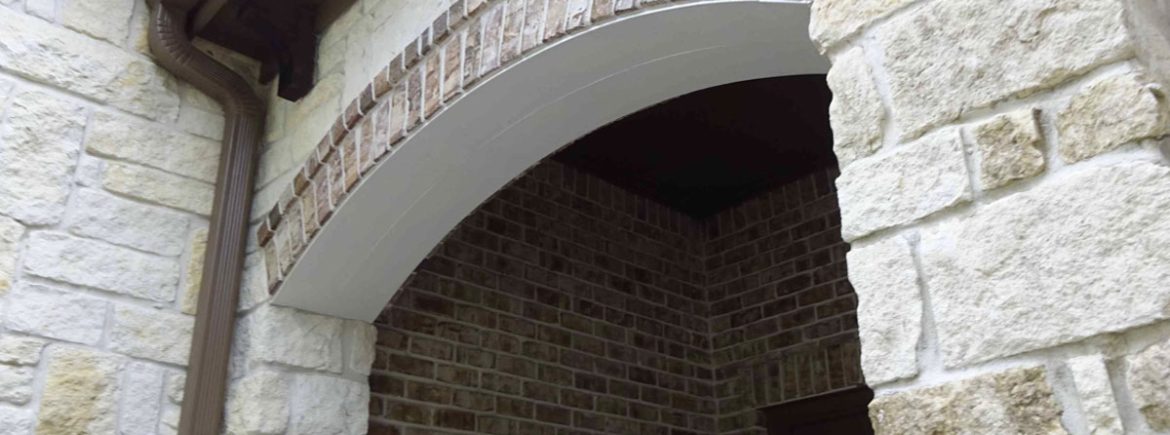
- Restoring damaged arches or chimneys
- Correcting masonry around doors and windows
- Addressing gaps that allow water intrusion
- Recreating the original mortar joint profile
- Cleaning and finishing the repaired area
A detailed plan helps the property owner understand what will be removed, what will be replaced, and how the finished repair should look.
Brick Doctor provides customers with a detailed written scope of work, helping homeowners and property managers understand the proposed repair before the project begins. The company also emphasizes long-lasting and aesthetically pleasing solutions rather than temporary patchwork.
Matching the Existing Brick
Brick matching is one of the most important parts of professional masonry restoration.
Bricks can vary significantly in:
- Color
- Size
- Texture
- Surface finish
- Manufacturing style
- Weathering
- Porosity
- Edge shape
Even bricks that appear similar when viewed individually may look noticeably different once installed in an existing wall. A replacement that is too red, too smooth, too large, or too uniform can create an obvious repaired section.
Professionals evaluate the surrounding masonry carefully before selecting replacement bricks. They may compare several options, consider how the brick will look in natural light, and account for the weathered appearance of the original structure.
In some situations, an exact brick may no longer be manufactured. An experienced masonry contractor can then identify the closest available match or develop a blending strategy that prevents the repaired area from looking isolated.
For homeowners concerned about curb appeal and property value, this attention to detail is essential.
The ideal outcome is a repair that protects the structure without distracting from the appearance of the home.
Matching the Mortar
Matching the brick is only part of the process. The mortar must also complement the existing masonry.
Masonry professionals evaluate characteristics such as the following:
- Mortar color
- Aggregate or sand texture
- Joint width
- Joint depth
- Joint profile
- Material strength
- Compatibility with the existing brick
Using mortar that is significantly harder or less breathable than the original material may place unnecessary stress on older bricks. Incompatible mortar can also affect moisture movement and contribute to future deterioration.
The visual match matters as well. Mortar can account for a substantial portion of what people see when looking at a brick wall. A repair completed with mortar that is too bright, too dark, or too smooth may remain noticeable even when the replacement bricks are well matched.
Professional masons aim to recreate both the appearance and performance of the original mortar. This helps the repaired section blend naturally with the surrounding wall.
Removing Damaged Bricks and Mortar
After the materials and repair approach have been selected, the mason carefully removes the deteriorated components.
This process may involve chisels, masonry saws, grinders, joint-removal tools, or hand tools. The specific equipment depends on the location and scope of the repair.
Precision is critical. Damaged mortar must be removed to a suitable depth without unnecessarily cutting into the surrounding bricks. When replacing an individual brick, the mason must loosen and extract it without cracking adjacent units.
The work area is then cleaned to remove dust, loose debris, and weakened material. A properly prepared cavity allows the new mortar to bond effectively with the existing masonry.
Rushing this stage can compromise the finished repair. Leaving loose mortar behind or damaging nearby bricks may create weaknesses that were not present before the project began.
Installing Replacement Bricks
Once the opening has been prepared, fresh mortar is applied, and the replacement brick is carefully positioned.
The mason checks that the new brick:
- Aligns with the surrounding courses
- Maintains the correct spacing
- Sits at the appropriate depth
- Follows the existing wall pattern
- Has full and consistent mortar coverage
The brick is adjusted before the mortar begins to set. Excess material is removed, and the joints are shaped to match the surrounding masonry.
For larger repairs, the mason works in controlled sections to maintain proper alignment and avoid disrupting the rest of the wall. This requires patience, experience, and close attention to detail.
Repairing Deteriorated Mortar
When the bricks remain in serviceable condition but the mortar joints have deteriorated, the repair may involve removing and replacing the damaged mortar.
This process is commonly associated with repointing or tuckpointing. Although these terms are sometimes used interchangeably, the exact technique should be selected according to the condition and appearance of the wall.
The mason removes the weakened mortar, cleans the joints, installs compatible new mortar, and finishes each joint to resemble the original profile.
Properly completed mortar repair can:
- Reduce water entry through open joints
- Improve the appearance of the wall
- Stabilize loose masonry
- Slow further deterioration
- Extend the service life of the brickwork
Applying a thin layer of mortar over deteriorated joints is not a lasting solution. The weakened material must be removed so the replacement mortar can bond to a sound surface.
Curing and Protecting the Repair
Fresh mortar needs suitable curing conditions to develop strength and resist cracking.
Depending on the mortar type, weather, and project conditions, the mason may protect the repair from the following:
- Rapid drying
- Excessive heat
- Direct sunlight
- Heavy rain
- Freezing temperatures
- Physical disturbance
The repaired area may be lightly misted, covered, or otherwise protected while the mortar begins to cure.
Property owners should follow the contractor’s instructions and avoid pressure washing, painting, sealing, or disturbing the repaired section before the mortar is ready.
Proper curing helps distinguish a lasting restoration from a rushed repair.
Completing the Final Inspection
After the repair has been installed and the work area has been cleaned, the masonry contractor should conduct a final inspection.
The contractor checks:
- Brick alignment
- Mortar joint consistency
- Color and texture matching
- Cleanliness of the surrounding surfaces
- Stability of the repaired section
- Completion of the agreed scope
Property owners should review the finished work from different distances and in natural daylight. A well-executed repair should appear balanced and consistent with the rest of the structure.
Some variation may be unavoidable when working with older, weathered, or discontinued materials. However, an experienced masonry professional should explain these limitations before beginning the project and take reasonable steps to minimize noticeable differences.
When Should You Call a Masonry Professional?
Contact a professional when you notice:
- Cracks that are growing or repeatedly returning
- Loose, missing, or crumbling mortar
- Broken or spalling bricks
- Water entering through masonry
- Bulging or leaning walls
- Damage around windows, doors, chimneys, or arches
- Previous repairs that are failing
- A section of brickwork damaged by a vehicle or storm
- Mismatched repairs affecting the appearance of the property
Early evaluation can prevent a localized issue from becoming more difficult or expensive to correct.
Professional Brick Repair in Dallas-Fort Worth
How masonry professionals repair damaged brick structures depends on the cause of the damage, the condition of the original materials, and the appearance the property owner wants to preserve.
The process requires careful inspection, compatible materials, accurate brick and mortar matching, controlled removal, skilled installation, and proper curing. Skipping any of these steps can result in a repair that fails prematurely or remains visibly different from the surrounding wall.
Brick Doctor has served the Dallas-Fort Worth area since 1986, repairing and restoring brick, mortar, stone, block, and cast stone. The company’s brand is built around professional craftsmanship, long-lasting results, detailed written scopes, and repairs designed to complement the original masonry.
Do not settle for a visible patch or a repair that may need to be redone in a few years. Contact Brick Doctor to request a professional evaluation and receive a detailed plan for restoring the strength and appearance of your masonry.

James R. Jennings, President of Brick Doctor, brings 42 years of masonry and construction industry experience to every project. With advanced business degrees and a strong record of service-focused leadership, James has helped Brick Doctor earn trusted recognition from Angie’s List, the Good Contractors List, and the Better Business Bureau.